
You get pulled over. The lights flash. The paperwork lands in your lap with a heavy thud. Suddenly you are staring at a question that will follow you for years. How long does a DUI actually stay on your record? The answer depends on which record you are talking about. That is the part nobody warns you about upfront. You think of a record as one single folder sitting in some government basement. It is not. It is a scattered collection of files living across different systems. Some keep it for a decade. Some hide it after five years. Some never let it go unless you go through a specific legal process to move it.
Let us break down the actual landscape. First there is your criminal record. This lives in state and federal databases. A DUI shows up here as a conviction. Most states keep that conviction visible to the public indefinitely. You cannot simply wait for it to vanish. It sits there like a permanent marker on a whiteboard. Background check companies pull from these exact sources. They do not care about your good behavior after the fact. They show what the court filed. If you apply for a job that runs a standard criminal background check, that conviction will appear. Usually forever.
Then there is your driving record. This one lives at the Department of Motor Vehicles. The DMV treats a DUI as a points violation or a suspension trigger. Those entries do fade on purpose. Most states remove a DUI from your active driving history after three to five years. You might get your license back long before the record clears though. The clock starts ticking from the date of conviction. Not the date of arrest. Not the date you finish your court required classes. The conviction date is what matters. After that window closes, insurance companies can no longer use it to hike your premiums. Employers who only ask for a driving history will stop seeing it. Your record looks cleaner to anyone who only checks roads.
Private databases complicate things. Companies selling background reports maintain their own archives. They ignore DMV rules or court mandates. They keep entries until they verify age or you pay to dispute it. That process takes months. Some never remove it completely. You are dealing with a shadow system outside official timelines.
State laws create the real maze here. California keeps a DUI on your driving record for ten years. New York drops it after four. Texas might show it permanently in certain commercial driving contexts. Florida runs a seven year window for standard insurance purposes. You cannot navigate this by guessing. You have to check your specific state statutes. The differences are not minor adjustments. They change how long you pay higher rates and how long certain employers will screen you out.
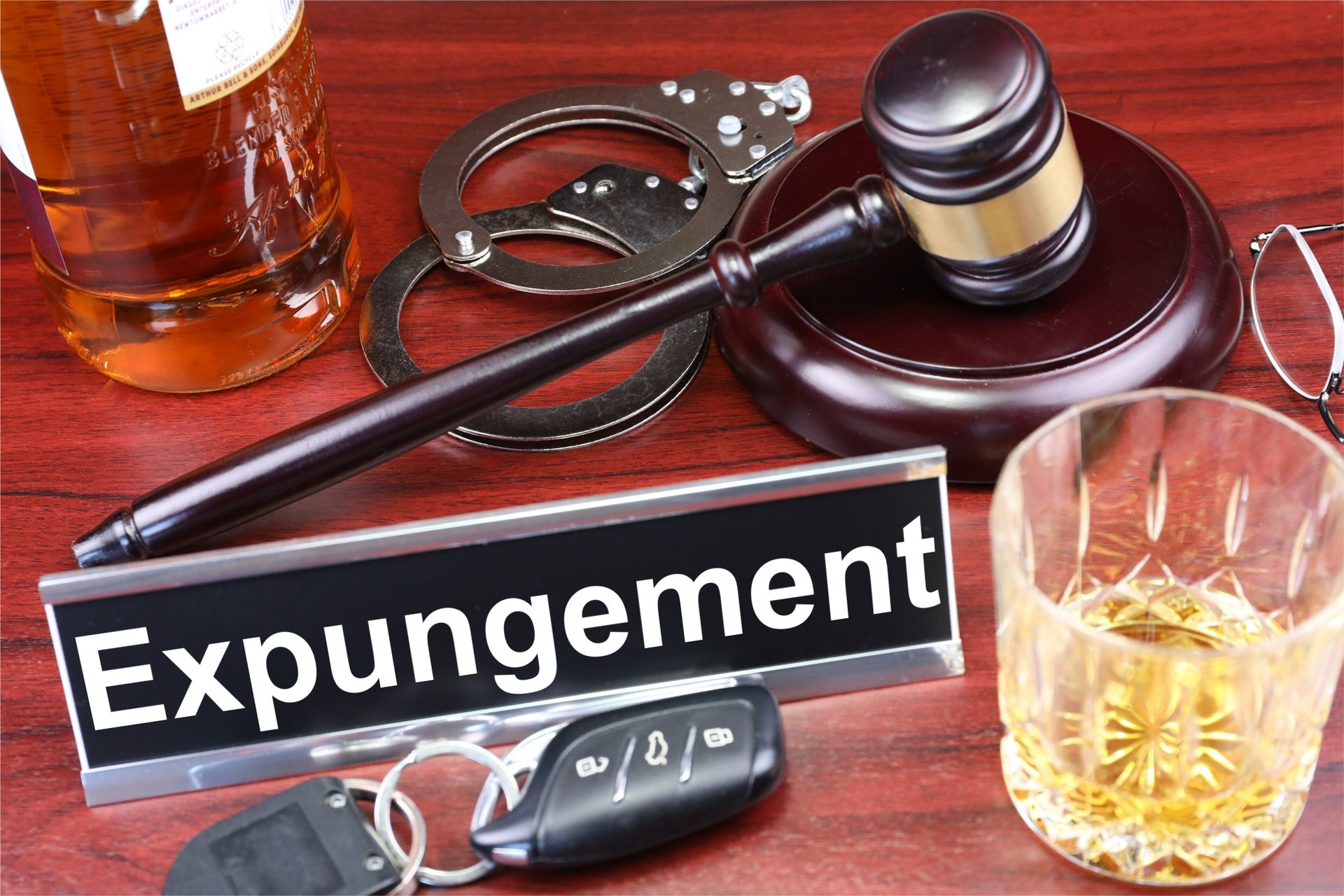
People often confuse expungement with erasure. An expungement does not wipe the file. It seals it behind a legal curtain. The conviction still exists in court archives. Judges and law enforcement can still see it. Regular employers cannot. Your DMV record might still show the suspension history even after expungement. The government rarely deletes convictions completely unless a judge orders a full expungement or a pardon. Even then, the underlying documents remain in secure vaults. You are not deleting a file on your desktop. You are moving a heavy ledger to a restricted archive room where only authorized people can walk in.
The real question is how long the consequences last. Insurance rates usually spike for three to five years. After that period, you can shop policies and find standard rates again. Some insurers will still check your full history if you apply through certain channels. You have to ask exactly what they pull. Job applications get tricky. Many companies ban asking about arrests but allow questions about convictions. That distinction matters more than the timeline. A conviction stays visible on paper forever unless sealed. Your ability to move past it depends on what you are applying for and how you frame your history during interviews.
Commercial drivers face a different reality. Federal agencies keep serious violations on file for life in most cases. A DUI with high blood alcohol or an accident will follow your commercial license forever. You cannot age out of that record. It stays attached to your professional history no matter what state laws say about private vehicles.
You can take control of the timeline by handling everything correctly from day one. Do not wait for the statute of limitations to expire. That number only matters for prosecution. It does not touch your existing conviction. Focus on completing all court requirements on time. Finish your education programs. Pay every fine. Keep your record clean afterward. A spotless driving history builds momentum against old entries. DMV systems and insurance algorithms reward consistency. They start to treat the DUI as a historical footnote rather than an active risk marker.
If you want it out of public view you will need to pursue expungement or sealing through a court petition. The process requires paperwork and usually a lawyer. You file the motion after meeting your state waiting period. Some states demand two years without new offenses. Others require five. The judge reviews your compliance and decides whether to grant the request. Approval does not erase the past. It just removes it from standard background checks and DMV public reports. Your driving record might still list the suspension dates for insurance calculations. The criminal file moves behind closed doors.
Most people treat a DUI like a permanent scar on their legal skin. It feels unchangeable. That mindset keeps you stuck in waiting mode. You can accelerate the fading process by staying compliant and using the right legal tools when your state allows them. The timelines you face will shift based on where you live and what kind of record you are checking. Criminal files stay visible indefinitely unless sealed. Driving records clear after three to seven years depending on your state. Private databases operate on their own schedules. Insurance companies recalibrate after three to five years of clean driving. Commercial licensing tracks rarely let go at all.
You do not need to memorize every state statute to move forward. Know which record matters for your next step. Check your driving history directly through your DMV. Run a personal background check to see what companies pull. Call your insurance provider and ask how long they use the violation for rating purposes. Gather paperwork if expungement becomes an option. Handle each system on its own terms instead of waiting for a magical reset button. The clock keeps running regardless of your patience. Your job is to stay ahead of it and build a track record that eventually overshadows the old entry.
The authors of this web site are not professional advisors. The content on this blog is not intended to be a substitute for professional advice. Always seek the advice of a qualified professional with any questions you may have regarding this topic. Never disregard professional advice or delay in seeking it because of something you have read on this site.
Images on this page may be used for free under a creative commons license but attribution as shown below each image is required to obtain and maintain a license to use any of the images on this page.