
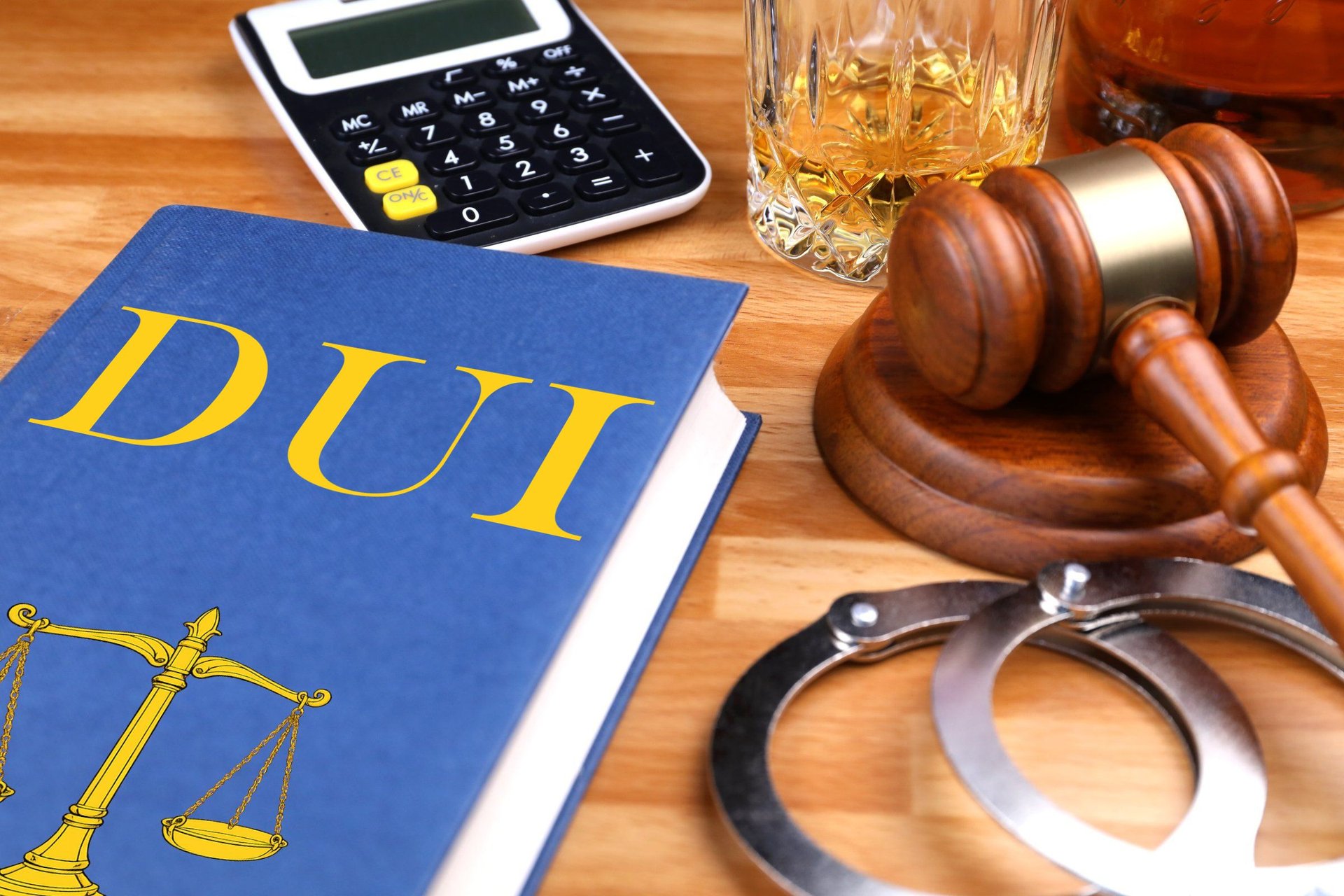
Driving under the influence is never a simple math problem. You do not just add drinks to miles driven and expect a uniform answer. The United States splits its DUI laws into fifty separate puzzle pieces. Each state writes its own rules. Some states treat a DUI like a minor traffic ticket. Others treat it like a felony waiting to happen. The difference comes down to history, politics, and how heavily each region relies on cars. You will see wildly different outcomes depending on where the police pull you over.
Think of state laws as different toll roads. Every driver shares the same basic rule against drunk driving. The price you pay at the checkpoint changes constantly. States in the Midwest and Mountain West often stack penalties quickly. An initial offense there can cost thousands, require jail time, and force you to install an ignition interlock device that locks your car until it breathes a clean result. Those states view alcohol on the road as a public safety emergency. They do not wait for repeat mistakes to react.
Coastal states and places with strong tourism economies usually take a different path. Their courts often lean toward treatment programs and license suspension instead of immediate jail time. The logic there focuses on keeping people working while they fix their habits. You will still face heavy fines and mandatory classes. The road to getting your license back looks longer but feels less like a prison sentence. This split creates a strange reality for people who drive across state lines. A minor mistake in one county becomes a major headache in the next.
Judges do not pick sentences out of thin air. They follow statutory grids that weigh your blood alcohol concentration, your driving record, and whether anyone got hurt. An initial offender with an eight hundredths reading usually walks away with probation and a suspended license. Push that number to point one five or add a child passenger to the car and the math changes fast. The penalties shift from financial to physical. Some states add weekend jail time automatically. Others require you to sit through court authorized classes for months. You will still pay fines. Those fines fund victim compensation funds and road safety campaigns.
Ignition interlock devices have become the standard across most jurisdictions now. Those little breathalyzer attachments in your dashboard cost money to install and cost more every month to keep running. They record every test you take. Fail one and the car will not start until you blow clean again. Repeat failures trigger reporting systems that notify the court or the DMV. The device itself is just hardware. The real pressure comes from the rules attached to it. States like Arizona and Georgia mandate them for almost every conviction. Other states leave the choice to probation officers who watch your record closely.
People focus on jail time and fines. They forget about the quiet financial bleed that follows a conviction. Insurance companies treat a DUI record like a loaded gun. Rates jump quickly. Some carriers drop you entirely. You will shop for new coverage and watch premiums multiply over three to five years. That adds up to thousands of dollars before your record even starts to fade. Employers notice too. Many companies run background checks that flag alcohol related convictions. You might lose a job offer or face stricter supervision at work. The legal system hands you a fine. The market hands you the rest of the bill.
Professional licenses take a hit as well. Doctors, lawyers, teachers, and commercial drivers watch their careers shrink after a conviction. Some states automatically suspend medical licenses after certain offenses. Others require hearings that drag on for months. You do not need to lose your job to see how one bad night reshapes your professional life. The paperwork alone consumes hours you do not have.
A DUI stays on your driving record for years. How long depends entirely on where you live. Some states wipe the slate clean after five years of good behavior. Others keep it visible for a decade or longer. Criminal records follow different rules. You might get probation instead of jail time and still carry a misdemeanor conviction until you petition the court for expungement. Those petitions require lawyers, filing fees, and patience. The system does not hand you a clean slate. You have to ask for it and prove you earned it.
You also have to survive an administrative track that runs parallel to the criminal case. Your driver license is not a court privilege in most places. It is a state issued document that gets pulled quickly after an arrest. You usually get a short window to request a hearing before your suspension becomes permanent. Those hearings focus on whether the officer had probable cause and whether the chemical test results meet the legal threshold. The DMV does not care about your story. They care about paperwork and timestamps. Lose that hearing and your license disappears before you ever step into a courtroom. Win it and you keep driving while the criminal case moves forward.
Refusing a chemical test adds another layer of complication. States call it implied consent, which means you already agreed to provide a sample when you got behind the wheel. Say no and the state slaps an automatic suspension on your license right away. Some places treat refusal like a guilty verdict. Others let it slide if you have no prior record. The penalty still hurts because you lose driving privileges faster than most people expect. You will also face harsher criminal sentencing down the line. Judges view refusal as a sign of guilt and punish accordingly. The law gives you a choice, but both paths lead to steep consequences.
Geography does not dictate law. Neighboring states often pass completely different statutes despite sharing similar road conditions and driving habits. One state might treat a third offense as a felony after ten years. Another counts every strike within five years and upgrades the charge immediately. Those gaps exist because lawmakers respond to different lobbying groups, media cycles, and tragic high profile crashes. A single bad night on the interstate can expose you to vastly different financial and personal costs depending on which state line you cross next. You cannot guess your exposure by looking at a map. You have to know the exact statutes that govern your route.
That knowledge changes how you handle the aftermath. You need a lawyer who knows your state specific sentencing guidelines. General advice travels poorly across state borders. What works in Texas falls apart in California. What saves a license in Florida might trigger automatic suspension in New York. You need someone who reads the local statutes and knows how judges in your county actually hand down sentences. That person will look at your blood test, your police report, and your prior record to find the exact leverage points available to you.
The penalties vary. The consequences stay with you long after the court date ends. You pay fines, lose privileges, watch insurance rates climb, and navigate paperwork that feels designed to wear you down. The system works best when people avoid the checkpoint altogether. You do not need to memorize every state code to stay safe on the road. You just need to keep your keys out of reach when the drinks start flowing. Every state agrees on that part. The rest is just paperwork and politics.
The authors of this web site are not professional advisors. The content on this blog is not intended to be a substitute for professional advice. Always seek the advice of a qualified professional with any questions you may have regarding this topic. Never disregard professional advice or delay in seeking it because of something you have read on this site.
Images on this page may be used for free under a creative commons license but attribution as shown below each image is required to obtain and maintain a license to use any of the images on this page.