
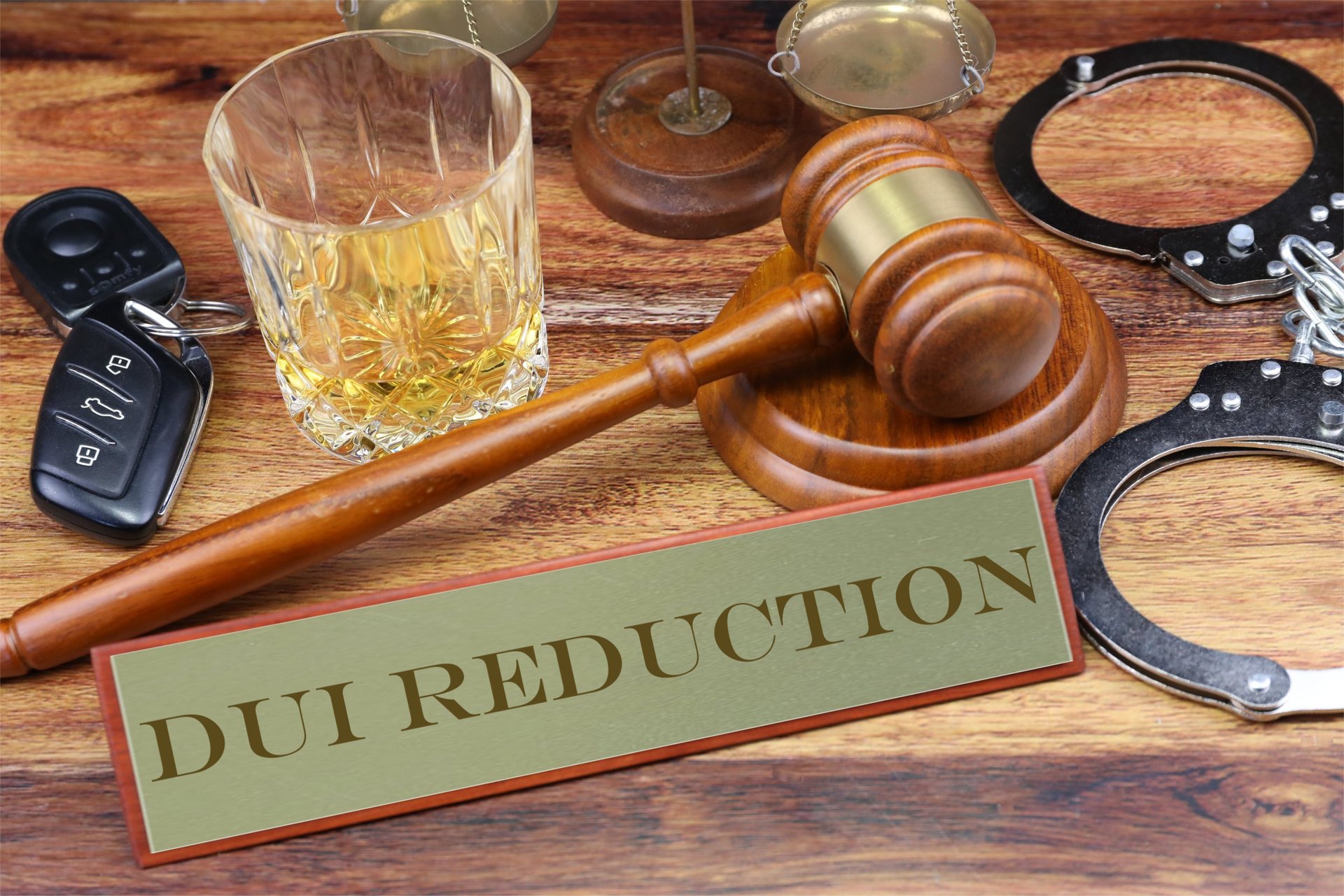
Getting pulled over for driving under the influence feels like stepping into a whirlwind machine you do not understand. The lights flash. The questions come quick. You know your rights sit somewhere in the back of your mind but they feel distant until you sit across from a lawyer. DUI defense is not about waving a magic wand or pretending the stop never happened. It is about understanding how the system works and finding the cracks where reasonable doubt takes root. Every case carries its own weight. Some fall apart at the roadside. Others need attention in court. The goal stays the same. You get a fair shot at the truth.
Officers cannot just stop anyone and start measuring breath. They need a reason to pull you over and a reason to suspect impairment. If the traffic violation was minor or manufactured, the whole chain breaks. Think of it like building a house on sand. One weak foundation and the walls come down. Lawyers look closely at why the car was stopped in the initial stage. Was there a real safety concern or just a hunch? Did the officer cross into private property to initiate contact? These details matter more than most people realize. Courts care about procedure. If the procedure stumbles early, later evidence often walks right out the door.
The roadside balance tests look simple on television. Walk a straight line. Touch your toe to your heel. Stand on one leg. Real life does not match the screen. Grass slopes exist. Wind blows. Shoes dig into dirt. Nerves shake knees. Officers run these tests under conditions that make them almost impossible to pass sober and nearly impossible to pass drunk. A defense attorney knows how to expose that gap. Medical conditions play a role too. Inner ear problems or leg injuries change everything. The state wants you to believe those tests measure alcohol like a scale measures weight. They do not. They measure compliance with a carefully built physical puzzle under pressure. Challenging them requires pointing out the environment, the instructions, and the officer's own training gaps.
Breath machines sound scientific. They are machines after all. Machines break. They drift. They need calibration logs that sometimes sit unsigned on a shelf in a county office. Defense teams dig into maintenance records, operator certifications, and radio frequency interference near the testing site. Alcohol does not vanish instantly after your last drink either. Mouth alcohol skews results when someone burps or drinks mouthwash right before blowing. The state assumes a perfect machine and a perfect process. You do not have to prove the machine was wrong. You just have to show enough doubt about how it was used. That shifts the burden back where it belongs.
Blood draws follow strict rules but real life rarely follows rules perfectly. Officers sometimes delay drawing blood while waiting for a hospital or a warrant. Alcohol levels drop as time passes. Fermentation starts in the vial if preservatives sit short. The chain of custody must track every hand that touches the sample from the needle to the lab report. A single missed signature or an unsealed container opens the door to reasonable doubt. Defense investigators review those timelines like detectives following footprints. When the paperwork stumbles, the science loses its grip.
Not every case needs a courtroom battle. Smart defense often means negotiating before the trial clock starts ticking. Prosecutors carry heavy dockets and know some cases rest on shaky ground. They will trade charges when the evidence shows cracks. Reducing a DUI to reckless driving or wet reckless saves licenses and insurance rates in many states. Some jurisdictions offer diversion programs for initial offenders who complete education and community service. State laws shift constantly. What works in one county fails in the next. Local prosecutors set their own tone for these cases. Some treat every charge as a guaranteed conviction. Others look at the file and see a paperwork error that needs fixing. Your attorney knows which crowd the local district attorney falls into. That knowledge changes how you approach the table. You do not beg for mercy. You present facts that make a trial more work than it is worth for them.
You need to know how to act when the stop happens. Stay calm. Give your name and registration. Do not argue on the side of the road. Arguments turn into probable cause. You can politely decline field tests without triggering automatic penalties in most states. Refusing a breath or blood test brings administrative license suspension but it also forces the state to work harder in court. That decision matters depending on your circumstances. A lawyer will help you weigh those options before you even step out of the car. Preparation beats panic every time. Video footage often holds the real story. Body cameras capture tone, timing, and officer movement. Dash cams inside police cruisers record radio chatter and speed at the moment of contact. Defense teams pull these recordings immediately before files get buried or corrupted. A missed camera angle or a skipped protocol step becomes a lever in your favor. You hold onto those tapes like insurance for your freedom.
The system runs on momentum. It expects you to sign papers, pay fees, and move along quietly. You break that cycle by asking the right questions at the right time. Lawyers do not manufacture hope. They build defenses out of procedure, science, and documented error. When you face a charge, you need someone who reads the fine print and spots the loose threads before they unravel your life. DUI defense is not about hiding facts or twisting reality. It is about demanding proof that meets the standard required by law. The system expects you to carry the weight of suspicion until proven otherwise. You do not have to accept that weight without question. Every stop carries procedural rules. Every test carries technical limits. Every charge carries room for negotiation. You get what you push for and what your attorney knows how to extract. The truth does not always win on the first try but it wins when you stop fearing the process and start understanding it. Your license, your record, and your future depend on those next steps. Take them with clear eyes and a solid plan.
The authors of this web site are not professional advisors. The content on this blog is not intended to be a substitute for professional advice. Always seek the advice of a qualified professional with any questions you may have regarding this topic. Never disregard professional advice or delay in seeking it because of something you have read on this site.
Images on this page may be used for free under a creative commons license but attribution as shown below each image is required to obtain and maintain a license to use any of the images on this page.