
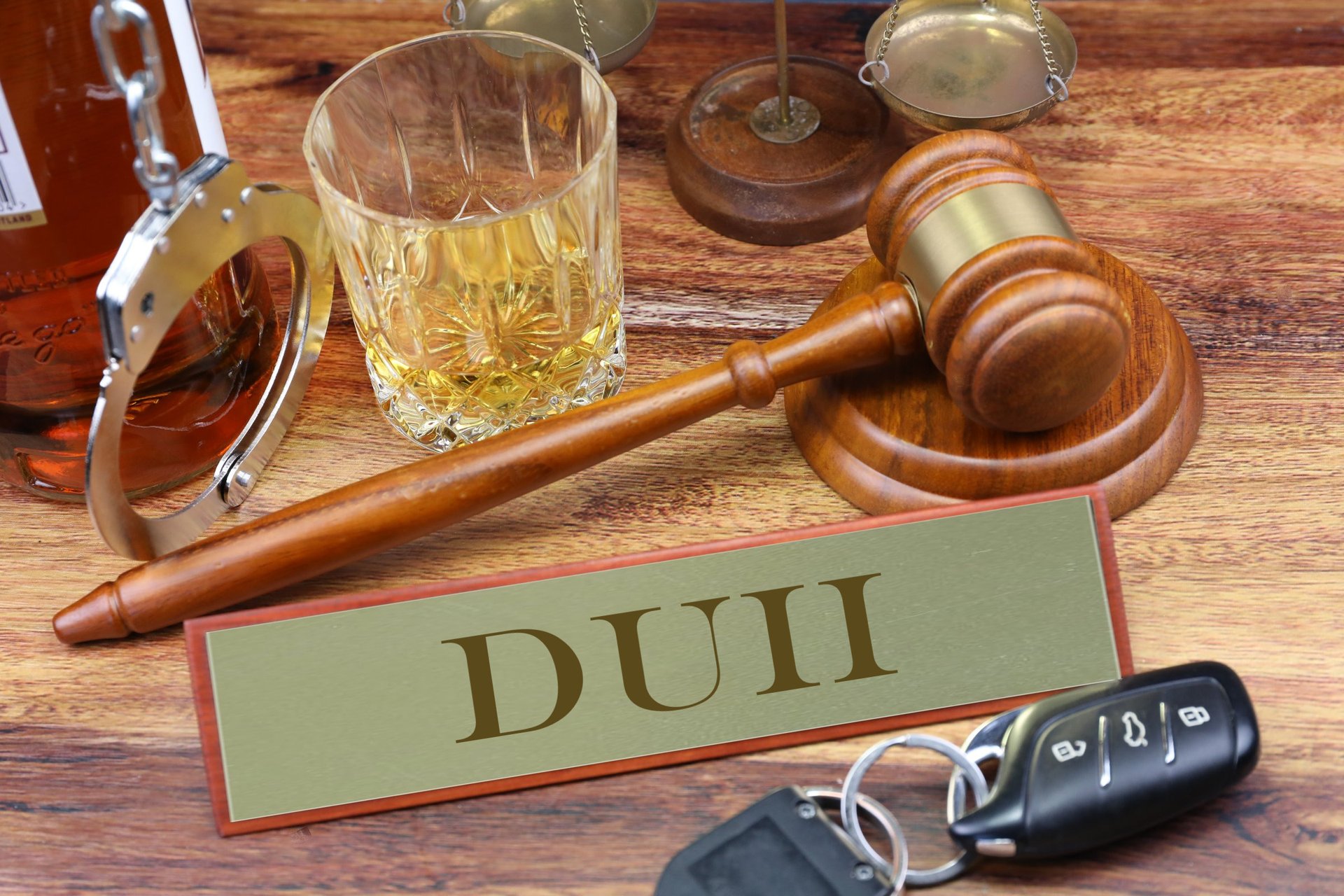
You wake up with a headache that feels like a drum solo and find a folded piece of paper slipped under your windshield wiper. The orange print spells out DUI before you even read the rest. Your stomach drops. You start running through nightmare scenarios. Can you actually beat this charge? The short answer is yes. The long answer involves understanding how these cases actually work behind closed doors and what tips the scales in your favor.
Most people imagine a courtroom drama. Lawyers shouting. Judges slamming gavels. Witnesses breaking down on the stand. That rarely happens. DUI cases are decided in quiet offices and routine hearings long before anyone steps into a trial room. The battle usually starts days after your arrest. It happens in prosecutor offices, police stations, and medical labs. You will not win by hoping for a miracle. You win by finding cracks in the government case.
Every case rests on a chain of events. If one link breaks, the whole thing collapses. The first link is always the traffic stop. Police need a legal reason to pull you over. A cracked taillight works. Swerving across a lane line works. Running a stop sign works. What does not work is pulling you over because an officer thought your driving felt slightly off. Courts call this reasonable suspicion. It has to be real. It has to be documented. If the reason for the stop falls apart, everything that follows usually falls with it.
The breathalyzer gets all the attention. People treat those machines like oracles that cannot make a mistake. They are not magic. They are mechanical devices that require strict calibration and proper handling. Officers have to follow exact procedures. They must watch you for a specific amount of time before you blow. They must run a diagnostic check on the device. They must document the results in a specific format. Miss one step and the defense attorney can argue the reading is unreliable. I have seen cases where a missing thirty second observation window became the entire defense. I have seen cases where a poorly maintained machine spat out numbers that had nothing to do with your actual alcohol levels. The technology sounds scientific. The reality is deeply human and deeply flawed.
Blood tests bring their own set of problems. These are not simple finger sticks. They involve needle draws, vials, preservatives, and strict temperature controls. The paper trail matters immensely. Someone has to collect the blood. Someone has to transport it. Someone has to store it. Someone has to analyze it. If any link in that line gets sloppy, the results face serious challenges. I have reviewed cases where vials were left in warm car trunks for hours. I have seen cases where the wrong preservative was used. I have watched cases where the lab technician could not produce the original paperwork. Blood evidence looks solid until you actually look at it closely.
Procedural mistakes save more defendants than dramatic courtroom arguments. The government has to follow strict timelines. They must disclose evidence within certain windows. They must file charges correctly. They must inform you of your rights properly. Miss a deadline and they lose leverage. File a form wrong and the case stalls. This is not about playing games with paperwork. It is about constitutional safeguards that keep power in check when the state tries to take away your license, your money, and possibly your freedom.
Plea negotiations happen constantly. Most DUI cases never reach a trial. Prosecutors offer deals to clear their dockets. They might drop the charge down to reckless driving. They might reduce the charge to a lesser offense. They might offer a diversion program that keeps the record clean. These outcomes happen when the government knows their case has weaknesses. They know the stop was shaky. They know the machine was uncalibrated. They know the blood work is messy. When you walk into negotiations with documented flaws, you hold all the cards. You do not need to beg for mercy. You need to point at the evidence and ask for a fair resolution.
The judge plays a different role than you might expect. They do not care about your story first. They care about the paperwork. They look for procedural compliance. They check whether your rights were protected. They review whether the state followed every rule in the book. If the paperwork aligns and the evidence stands, they will let the process run its course. If the paperwork shows cracks, they will lean toward dismissal or reduction. Judges are overworked professionals who respect clean legal work. Bring them a carefully organized case file and they will pay attention.
What actually moves the needle in these cases comes down to three things. First, you need an attorney who understands the science behind alcohol testing. Chemistry matters more than charisma. Second, you need someone who knows how to extract hidden mistakes from police reports and lab documents. Third, you need a strategy that focuses on doubt about guilt rather than absolute innocence. You do not have to prove you are completely sober. You only have to prove the state cannot prove its case beyond a reasonable doubt. That is a much lower bar than most people realize.
If you are facing this right now, stop scrolling through internet forums and start gathering facts. Write down exactly what happened. Note the time. Note the location. Note what the officer said. Note what you said. Save any video camera footage or witness contact information. Do not talk to the police without legal advice. Do not post about the incident online. Do not try to handle this yourself because DUI statutes vary wildly by state and even by county. The rules in one town might completely contradict the rules in the next town over.
Beating a DUI charge is absolutely possible. It just looks different than television makes it seem. You win by finding mistakes in the process. You win by challenging faulty equipment. You win by forcing the government to meet its burden of proof. You win by staying calm and working with someone who knows the system inside out. The law does not care about your reputation or your job title. It cares about facts, procedure, and evidence. Stack those correctly and you will walk away with a better outcome than you expect. Keep your head clear. Trust the process. Handle it with precision. That is how you actually win these cases. The state can't just claim you were impaired without proving it. We'll handle the paperwork, the science, and the procedure so you can get back to your life.
The authors of this web site are not professional advisors. The content on this blog is not intended to be a substitute for professional advice. Always seek the advice of a qualified professional with any questions you may have regarding this topic. Never disregard professional advice or delay in seeking it because of something you have read on this site.
Images on this page may be used for free under a creative commons license but attribution as shown below each image is required to obtain and maintain a license to use any of the images on this page.