
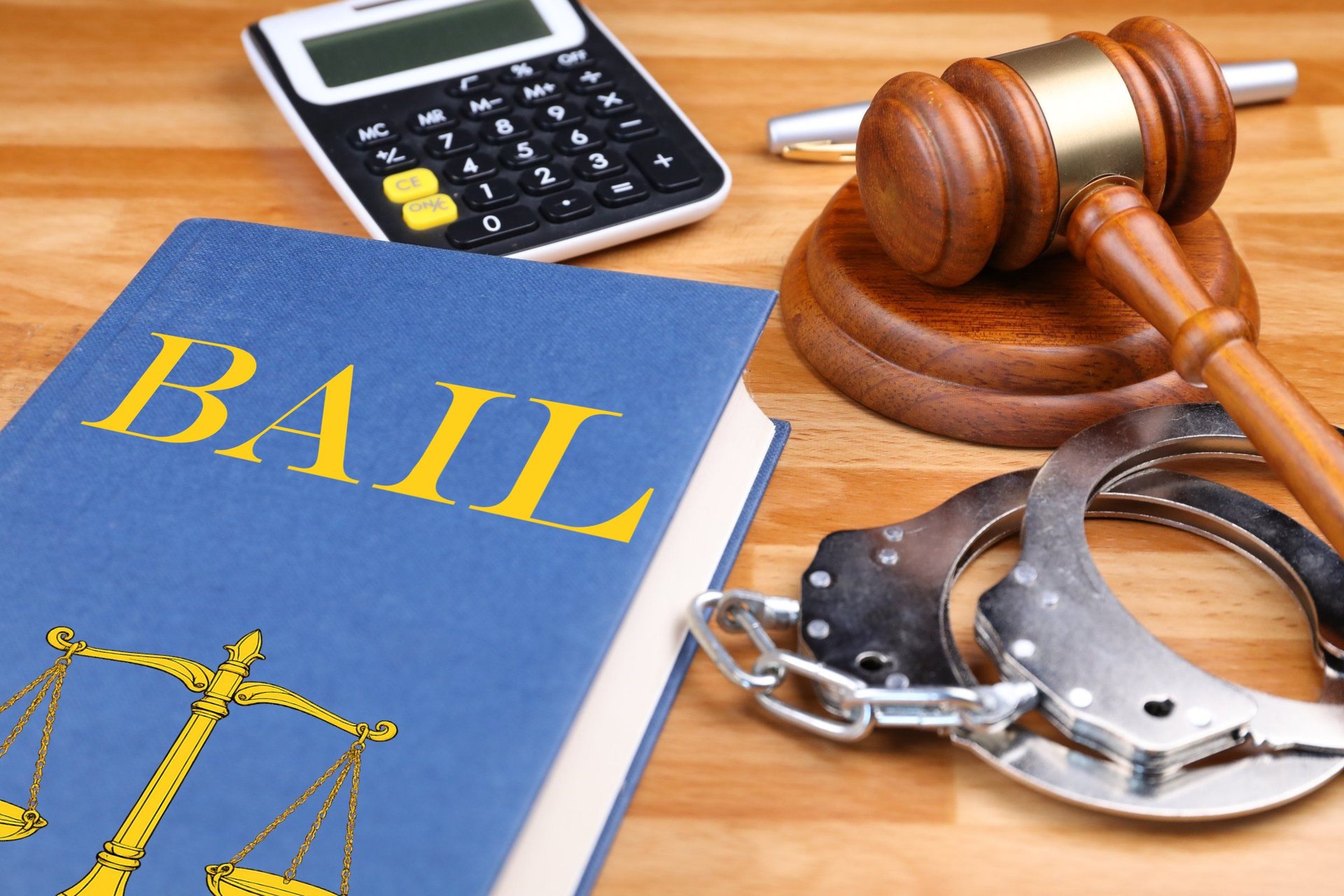
The courthouse hallway smells like old coffee and nervous energy. You sit on a metal bench with a plastic folder full of papers you do not fully understand. A bailiff calls a name. Your turn comes up. The judge looks down at your file and says the word that will change your week, maybe your life. Bail.
People treat that word like it belongs in a courtroom drama. It does not live there. It lives in the gap between being arrested and standing trial. Think of bail as a financial leash rather than a verdict. The system wants you back for your court date. The law assumes you are innocent until proven guilty. Money sits in the middle as a guarantee you will return.
Judges do not set bail to punish anyone. They set it to manage risk. A judge weighs your past record, the charge you face, your ties to the community, and how far you might run. If you work at the same place every day and have kids who rely on you, the number usually stays lower. If your address changes every month and your history shows a pattern of skipping court dates, the number climbs. The logic is blunt but straightforward. Higher risk gets a higher price tag.
You can pay bail in a few different ways. Some courts only take cash or cashier checks from state treasuries or county jails. Others accept credit cards through automated kiosks that look like ATM machines with bigger fees attached to them. A bail bond agent steps into the picture when the number looks impossible to cover overnight. You hand the agent ten percent of the total amount and sign a contract that makes you responsible for every dollar if you vanish. The agent then posts a guarantee with the court that you will show up. The ten percent stays with the agent as profit. It does not get refunded.
Paying cash directly to the court works differently. You hand over the full amount. The clerk stamps your receipt and releases you from custody. When your case wraps up, whether through a plea deal or a trial verdict, the court returns your money. They keep a small administrative fee in some states, but the bulk comes back to you. The difference between these two paths shapes how quickly someone walks out of jail and how much stress they carry home.
Skipping court changes everything. If you post cash and do not appear, the judge orders a warrant and keeps your money. You lose it. No appeals. No second chances on that specific transaction. If you used a bondsman, the agent sends a recovery agent after you. The contract you signed gives them legal permission to find you and bring you back. That part of the process never made it into television shows with smooth editing and dramatic music. It is messy and uncomfortable.
The system also holds people without bail sometimes. Some courts require detention until trial when the charge involves violence or when a judge believes public safety outweighs personal freedom. Other times, judges set unaffordable amounts on purpose to keep someone locked up while they negotiate a plea deal. That practice sparks endless debates in legal circles and city councils across the country. The conversation usually centers on fairness and whether wealth should decide who walks free.
Reform efforts have tried to shift the focus away from money entirely. Some jurisdictions now use risk assessments that look at concrete factors like employment history and past court attendance instead of charging a flat fee. Others limit bail for nonviolent offenses and rely on phone reminders or text notifications to track court dates. The results vary by state and by county. Money still plays a massive role in most places, but the pendulum keeps swinging toward alternatives that do not require a bank account balance.
You should know how to handle yourself when bail comes up in your life. Call a lawyer before you talk to anyone inside the jail or courthouse. Do not agree to anything written on a clipboard without reading it twice. Ask what happens if you miss a date and who actually collects the money. Write down every name, every phone number, and every deadline. Courts move fast and paperwork disappears quickly. Keeping a paper trail protects you when memories fade.
The financial side of bail often surprises people who have never dealt with it. Rent goes up. Paychecks get skipped. Kids need daycare that charges by the day. The stress fractures relationships before a single charge gets proven in court. That is why the amount matters so much. A five thousand dollar bail might feel manageable to someone who owns a car and has steady income. The same number can trap someone who works cash jobs and lives paycheck to paycheck. The math stays the same. The reality shifts completely.
Some counties now offer release on recognizance for certain cases. That means you walk out without paying a dime as long as you sign a paper promising to return. Judges grant this when they trust your community ties and see no flight risk. It sounds simple but it requires actual stability in your life. You need a place to sleep that is not a shelter couch. You need a phone that stays charged. You need a reason to show up that outweighs the fear of returning to a cell.
The whole process feels like standing on a scale while someone adjusts the weights behind the curtain. You cannot see how they calculate your worth until the gavel drops. The law claims to treat everyone equally on paper. The reality plays out in courtrooms where public defenders handle hundreds of cases and prosecutors move through dockets like factory lines. Bail sits right in the middle as a gatekeeper that decides who gets to keep their job while fighting their charges and who loses both.
You can navigate it if you stay calm and ask clear questions. Bring proof of employment. Show lease agreements. List family members who will vouch for your whereabouts. Judges notice effort and they respect structure. They also notice when someone tries to game the system with fake addresses or borrowed names. Honesty works better than shortcuts every single time.
The next time you hear the word bail, stop picturing courtroom scenes and start seeing the mechanics underneath. It is a financial tool designed to keep people out of crowded jails while waiting for their day in court. It works when used correctly. It fails when used as punishment disguised as procedure. Understanding how it functions gives you power over a situation that usually takes that power away. You walk into the courtroom knowing what you signed, what you owe, and what happens if things go sideways. That knowledge changes everything. The rest is just paperwork and patience.
The authors of this web site are not professional advisors. The content on this blog is not intended to be a substitute for professional advice. Always seek the advice of a qualified professional with any questions you may have regarding this topic. Never disregard professional advice or delay in seeking it because of something you have read on this site.
Images on this page may be used for free under a creative commons license but attribution as shown below each image is required to obtain and maintain a license to use any of the images on this page.